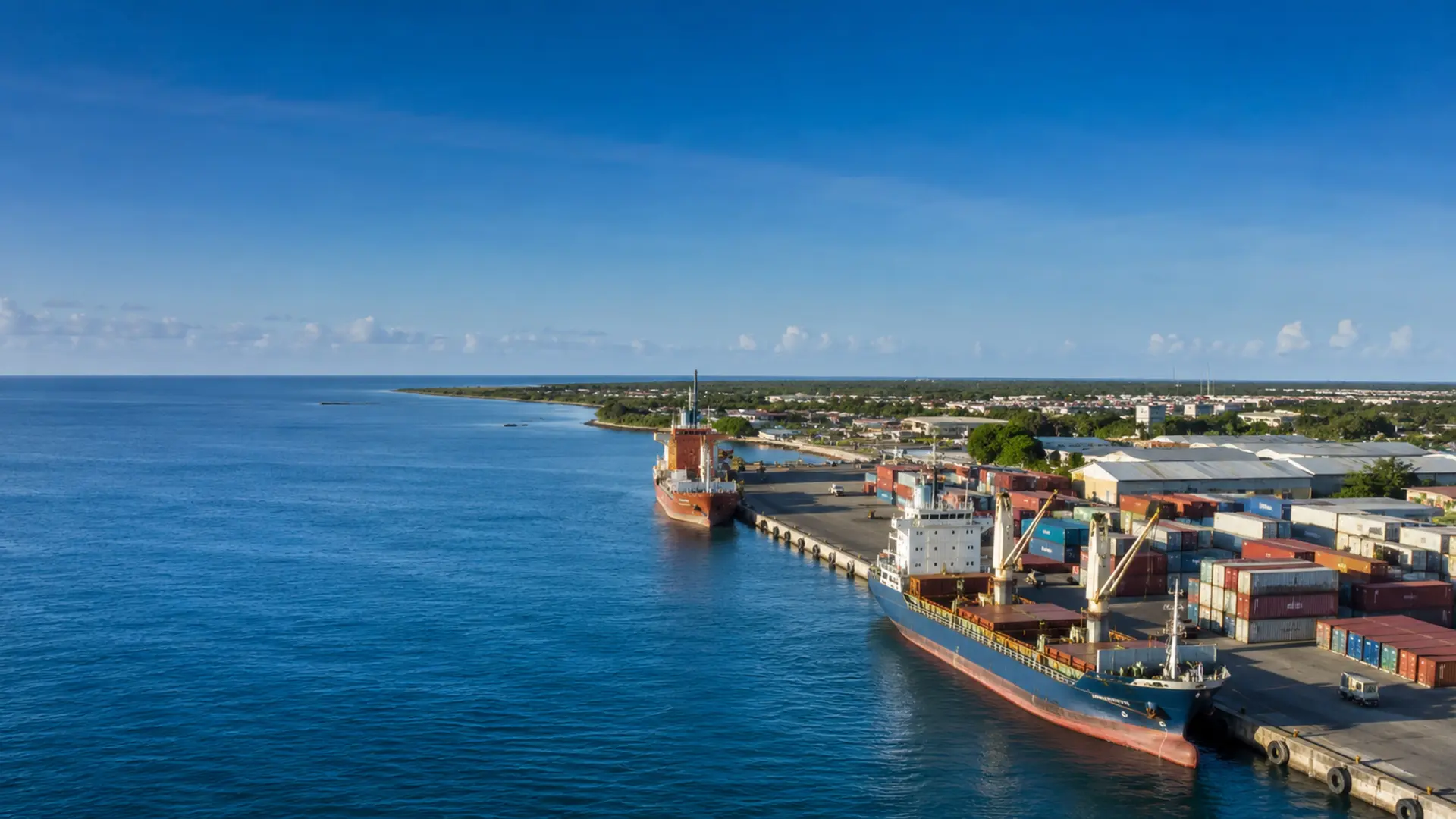
Jubaland’s coastline offers important opportunities for food supply, enterprise development, employment and regional trade. Capturing that opportunity responsibly requires more than increasing the volume of fish landed. Quality, safety, resource management, cold-chain capacity and dependable market relationships must improve together.
The blue economy also extends beyond fishing. It includes transport, vessel services, ice and cold storage, processing, packaging, coastal tourism, marine information and environmental stewardship. A coordinated approach can create a wider group of local enterprises while protecting the natural resource on which they depend.
Quality Begins on the Water
Fish is highly perishable. Value can decline rapidly through delayed icing, poor hygiene, contamination, physical damage or exposure to heat. Training and equipment at the harvesting stage are therefore as important as investments made at landing sites.
Practical improvements include clean containers, sufficient ice, shaded handling areas, washable surfaces, safe water, basic protective equipment and clear routines for cleaning vessels and tools. These measures support food safety and help suppliers meet the expectations of higher-value buyers.
Build a Cold Chain That Fits the Market
Cold-chain investment should be designed around actual catch volumes, customer demand, electricity availability and maintenance capacity. A large facility that cannot operate reliably may create more loss than a smaller, well-managed system.
The chain may include ice production, insulated boxes, refrigerated storage, temperature monitoring and suitable transport. Each link matters. Product that is chilled correctly at landing can still be lost if transport is delayed or storage temperatures are not maintained.
Develop Different Market Channels
A resilient fisheries sector should not depend on a single buyer or product. Potential channels can include local fresh markets, hotels and institutions, inland urban centres, regional markets and processed products. Each channel requires a different combination of volume, species, preparation, packaging and certification.
Businesses should start with buyer requirements. Before investing, suppliers need to understand acceptable species and sizes, expected quantities, delivery schedules, packaging, payment terms and the reasons a buyer may reject a consignment.
Increase Value Through Practical Processing
Processing can reduce waste and create products suited to different markets. Options may include cleaned and portioned fish, freezing, drying, smoking or other locally appropriate methods. Commercial decisions should be based on food-safety requirements, shelf life, customer preference and the total cost of processing.
By-products may also have economic uses where safe and viable. Any approach must comply with environmental and public-health requirements and should be tested before scaling.
Responsible Resource Use
Long-term business opportunity depends on healthy marine resources. Responsible harvesting, respect for rules, avoidance of destructive practices and reliable data are economic priorities as well as environmental ones. Businesses, fishing communities and responsible institutions share an interest in preventing resource depletion and protecting nursery areas.
Enterprise Opportunities Across the Chain
- ice production and reliable cold storage;
- insulated transport and logistics services;
- equipment supply, repair and vessel maintenance;
- hygienic landing, sorting and auction services;
- processing, packaging and product branding;
- quality testing and compliance support;
- market information and buyer coordination; and
- finance products designed around fisheries cash-flow cycles.
A competitive fisheries sector protects quality from the moment of harvest and protects the resource for the next generation.
Conditions for Responsible Investment
Investors should undertake practical due diligence: confirm supply patterns, assess infrastructure, understand licensing, identify experienced operators and test market assumptions. Partnerships with local businesses and fishing communities can improve knowledge, trust and operational performance.
Finance should account for working capital as well as equipment. Even a technically sound facility can struggle if it cannot pay suppliers, purchase fuel, maintain refrigeration or wait for customers to settle invoices.
How JCCI Can Help
JCCI can support sector dialogue, enterprise connections, investor introductions and advocacy on shared constraints. It can also work with members and partners to identify realistic training needs, map service gaps and promote standards that improve the reputation of Jubaland products.
Fisheries enterprises, investors, finance providers and technical partners are invited to connect with JCCI to explore responsible opportunities across the coastal value chain.